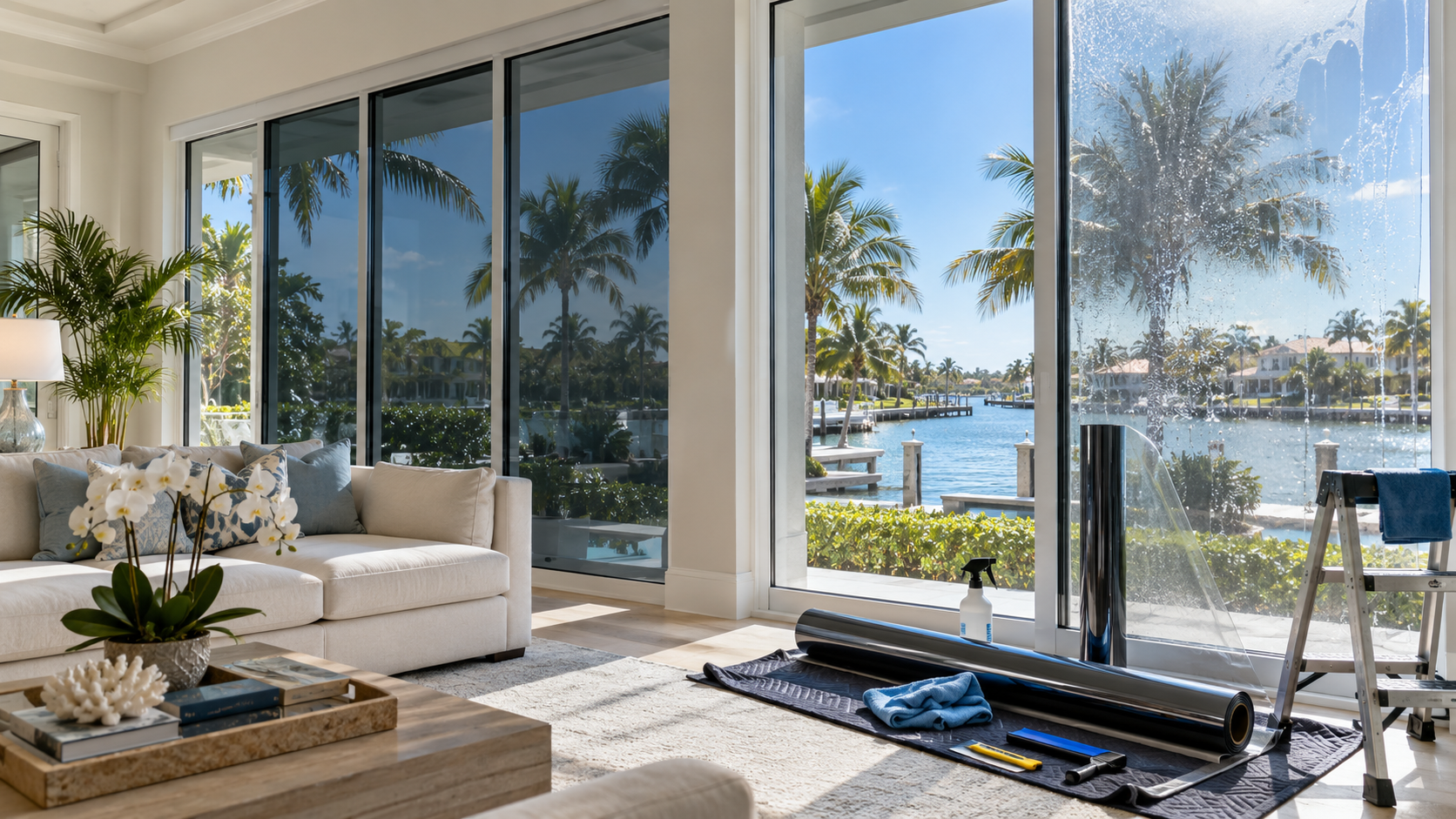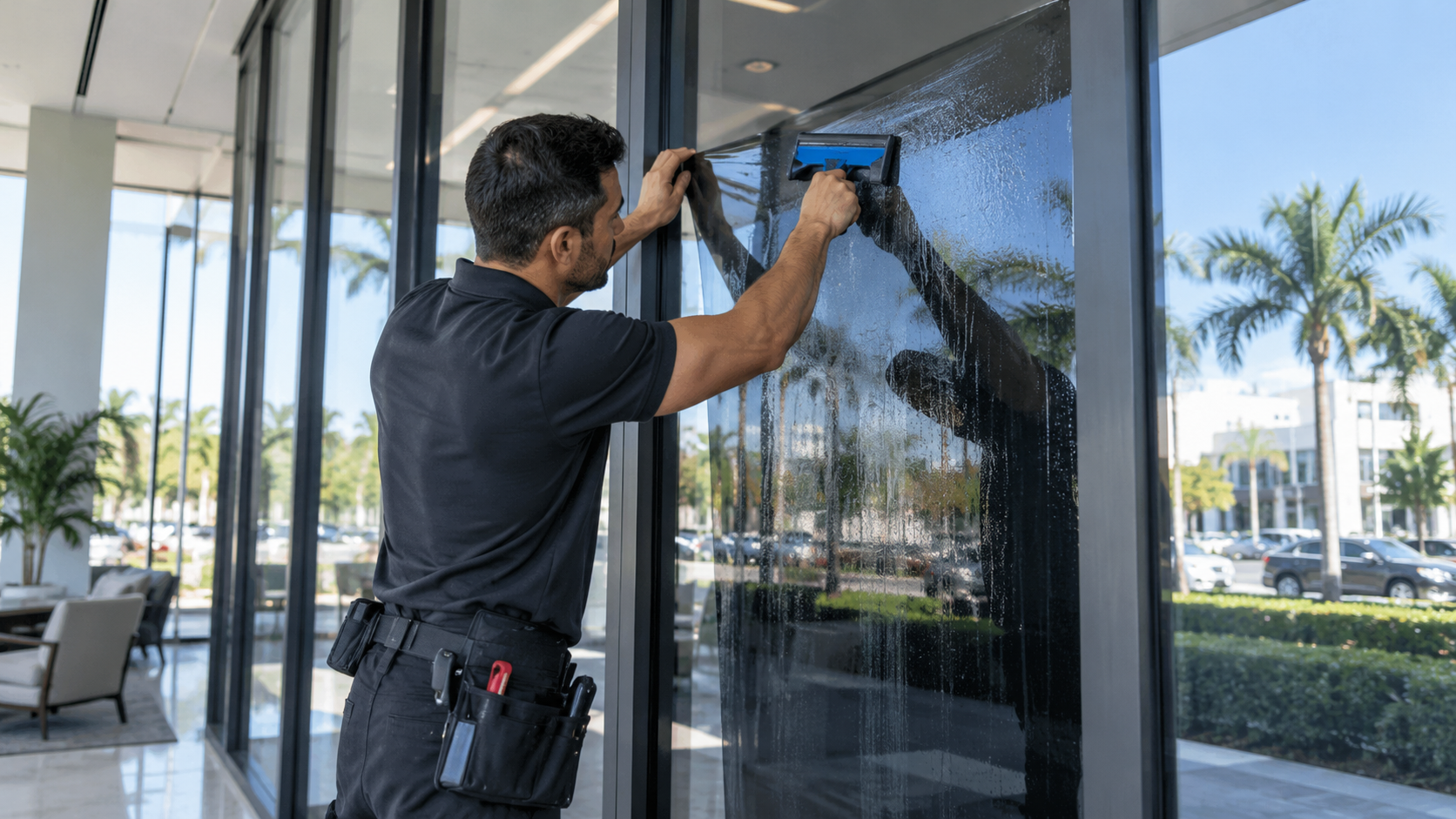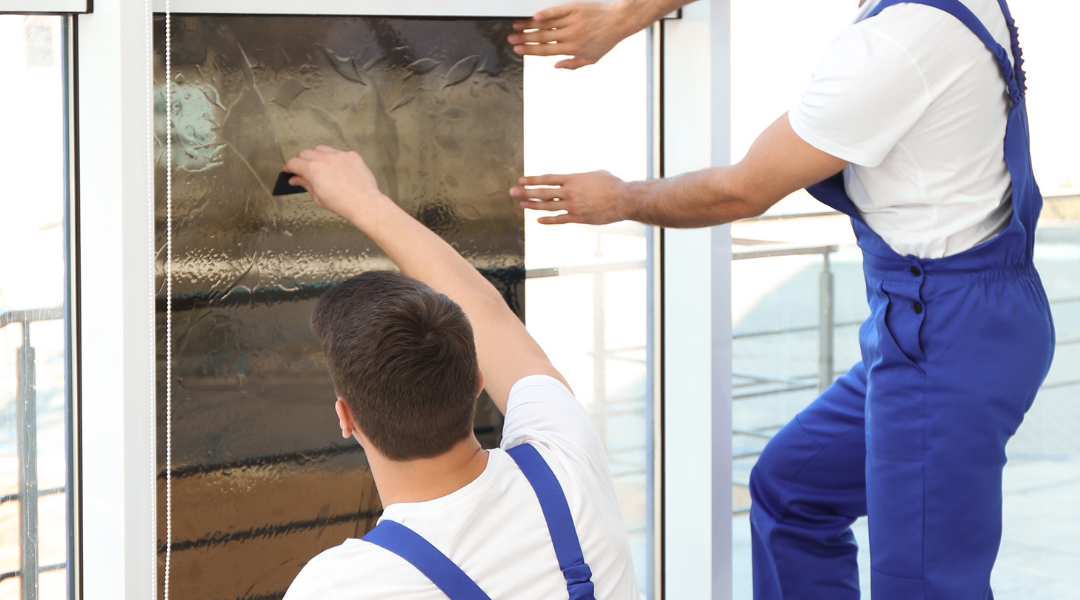
Does Window Tint Really Reduce Heat in Florida Homes? Here’s What Homeowners Should Know
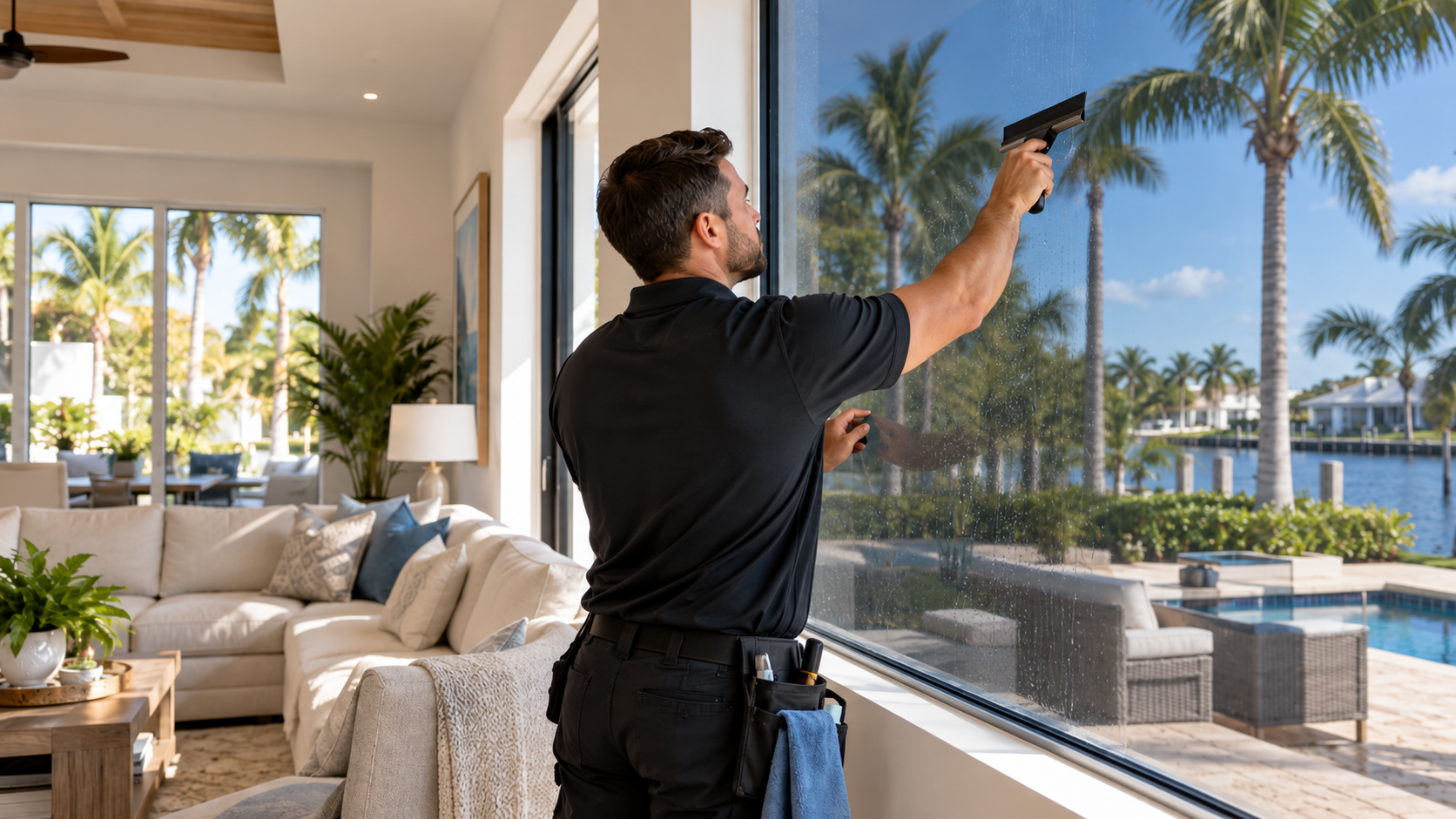
Does Window Tint Really Reduce Heat in Florida Homes?
Yes, residential window tint can help reduce the amount of solar heat entering a home through the windows, which can make indoor spaces feel more comfortable during Florida’s hottest months. The right window film can also help reduce glare, block UV exposure, and protect flooring, furniture, and other interior surfaces from sun-related fading.
For South Florida homeowners, window tinting can be especially useful in rooms with large windows, strong afternoon sun, or areas that tend to heat up faster than the rest of the home. Different films provide different levels of heat reduction, visibility, and UV protection, so choosing the right option depends on the glass, sun exposure, and goals of the homeowner.
In this guide, we’ll explain how residential window tinting works, how much heat it can help reduce, what type of film may be best for Florida homes, and what homeowners should consider before installation.
How Does Window Tint Reduce Heat in a Home?
Residential window tint reduces heat by limiting the amount of solar energy that passes through the glass and enters the home. Depending on the type of film used, it can reflect or absorb a portion of the sun’s heat before it reaches interior spaces.
For homeowners in South Florida, this can help rooms feel more comfortable during periods of intense sunlight, especially in areas with large windows or strong afternoon exposure. Residential window tinting can also help reduce glare and UV exposure while allowing natural light to remain part of the space.
The amount of heat reduction depends on factors such as the type of window film, the glass itself, the direction the windows face, and how much direct sunlight the home receives.
How Much Heat Can Residential Window Tint Block?
The amount of heat residential window tint can reduce depends on the type of film, the glass, and how much direct sunlight the windows receive. High-performance solar control films are designed to reduce a significant portion of solar heat while still allowing natural light into the home.
For homeowners in Aventura, window film can be especially helpful in rooms with large windows, strong afternoon sun, or areas that feel noticeably warmer than the rest of the house. The right film can help improve comfort without making the space feel closed off or overly dark.
Because different homes and windows perform differently, a professional evaluation is the best way to determine which film is appropriate for the property and the level of heat reduction the homeowner wants.
Does Window Tint Help Lower Energy Costs?
Residential window tint can help reduce solar heat entering through the glass, which may lessen how hard an air-conditioning system has to work during hot, sunny periods. The actual impact on energy use depends on factors such as the home’s windows, insulation, sun exposure, thermostat settings, and the type of film installed.
For homes in Miami, where cooling demand can remain high for much of the year, solar control window film can be a useful part of an overall strategy to improve indoor comfort and manage heat gain through windows.
Window film should not be viewed as a replacement for efficient HVAC equipment or proper insulation, but it can help address one of the main ways outside heat enters a home: through exposed glass.
What Are the Best Types of Window Film for Florida Homes?
The best residential window film depends on what the homeowner wants to improve, such as heat reduction, glare control, UV protection, privacy, or a combination of these benefits. Different films are designed for different performance goals, so choosing the right option starts with understanding how the room is used and how much sunlight the windows receive.
Solar Control Window Film
Solar control film is designed to reduce heat and glare caused by direct sunlight.
- Helps limit solar heat entering through the glass
- Can reduce uncomfortable glare in bright rooms
- Allows homeowners to maintain natural light
- Works well for windows with strong daytime sun exposure
UV Protection Window Film
UV protection film helps limit ultraviolet rays that enter the home through windows.
- Helps protect flooring from fading
- Can help preserve furniture and fabrics
- Provides added protection for artwork and interior finishes
- Can be combined with heat-reducing performance depending on the film selected
Privacy Window Film
Privacy film can reduce visibility through windows while still allowing light into the home.
- Useful for bathrooms, bedrooms, and street-facing windows
- Available in different privacy levels and finishes
- Can provide privacy without relying entirely on blinds or curtains
- Works well in homes where maintaining natural light is important
Decorative Window Film
Decorative film can enhance the appearance of glass while providing varying levels of privacy.
- Available in frosted and patterned styles
- Can be used on doors, sidelights, and interior glass
- Offers a non-permanent way to change the look of glass
- Can provide both decorative and functional benefits
For homeowners considering residential window tinting in Fort Lauderdale, the right film will depend on the direction of the windows, amount of direct sunlight, desired level of privacy, and overall goals for the space. A professional evaluation can help determine which option provides the best balance of comfort, appearance, and performance.
Will Residential Window Tint Make My Home Too Dark?
Not necessarily. Residential window film is available in a wide range of shades and performance levels, so homeowners do not have to choose a dark film to reduce heat, glare, or UV exposure. Many modern films are designed to provide solar protection while preserving natural light and visibility through the windows.
Visible Light Transmission Matters
Window films are rated in part by how much visible light they allow through the glass.
- Lighter films allow more natural light into the room
- Darker films can provide greater glare reduction and privacy
- High-performance films can offer heat control without a heavily tinted appearance
- The right choice depends on the room, window orientation, and homeowner preference
Different Rooms May Need Different Films
Every part of a home does not necessarily need the same type or shade of window film.
- Living rooms may benefit from lighter films that preserve outdoor views
- Bedrooms may benefit from greater glare or privacy control
- Rooms with strong afternoon sun may need higher solar performance
- Bathrooms or street-facing windows may require more privacy
Window Direction Can Affect the Choice
The amount of sunlight a window receives can influence which film works best.
- East-facing windows receive stronger morning sun
- West-facing windows often experience intense afternoon heat and glare
- South-facing windows may receive extended sun exposure throughout the day
- Shaded windows may require less solar control than highly exposed glass
The goal of residential window tinting is not simply to darken the glass. The right film should balance heat reduction, glare control, UV protection, privacy, natural light, and the appearance of the home based on the needs of each space.
Can Residential Window Film Help Protect Furniture and Floors From Fading?
Yes. Residential window film can help reduce the amount of ultraviolet radiation that passes through glass, which may help slow fading and sun-related damage to flooring, furniture, fabrics, artwork, and other interior finishes.
Flooring
Hardwood, laminate, rugs, and other flooring materials can fade unevenly when exposed to direct sunlight over time.
- Helps reduce UV exposure through windows
- May slow discoloration in sun-exposed areas
- Can help protect rooms with large windows or sliding glass doors
Furniture and Fabrics
Sofas, chairs, curtains, and other fabrics can gradually lose color when they receive strong daily sun exposure.
- Helps limit UV exposure on upholstered furniture
- Can be useful in living rooms and sitting areas
- May help preserve color and appearance over time
Artwork and Interior Finishes
Artwork, photographs, cabinetry, and decorative finishes can also be affected by repeated sunlight exposure.
- Adds another layer of protection for valuable interiors
- Can help reduce direct UV exposure
- Works especially well in bright rooms with consistent sun
For homeowners concerned about fading, UV protection window film can be a practical addition to a broader residential window tinting solution. The right film should balance UV protection with heat reduction, visibility, and the amount of natural light the homeowner wants to preserve.
How Long Does Residential Window Film Last?
Residential window film can last for many years when it is professionally installed and properly maintained. Its lifespan depends on the type of film, the amount of sun exposure, the condition of the glass, and the quality of the installation.
Film Quality
Higher-quality window films are generally designed for longer-lasting performance.
- Better resistance to fading and discoloration
- More consistent heat and glare control over time
- Improved durability under strong sun exposure
- Often backed by manufacturer warranties
Sun Exposure
Windows that receive intense direct sunlight may experience more wear over time than shaded windows.
- West- and south-facing windows often receive stronger sun exposure
- Large glass doors and picture windows can experience prolonged heat
- South Florida’s climate makes proper film selection especially important
Professional Installation
Proper installation plays a major role in how well residential window film performs over time.
- Helps reduce the risk of bubbling or peeling
- Ensures the film is applied correctly to the glass
- Allows the installer to choose a film appropriate for the window type
- Helps achieve a cleaner, more consistent finished appearance
Signs Window Film May Need Replacement
Older or damaged film may eventually show visible signs of wear.
- Bubbling or peeling
- Discoloration
- Scratches or damaged edges
- Noticeable decline in appearance or performance
Choosing professional residential window tinting and the appropriate film for the home can help homeowners get better long-term performance from their installation, especially in Florida’s strong sunlight and warm climate.
Can Window Film Be Installed on Any Type of Home Window?
Not every window film is suitable for every type of residential glass. The right film depends on the glass construction, existing coatings, window condition, and how much heat the glass is designed to handle.
Single-Pane Windows
Single-pane glass can often accommodate a wide range of residential window films.
- Common in older homes
- Typically straightforward to evaluate
- Film selection still depends on sun exposure and performance goals
Double-Pane and Insulated Glass
Double-pane windows require more careful film selection because heat can build up differently between the panes.
- Not every film is appropriate for insulated glass
- The wrong film can increase thermal stress
- Manufacturer compatibility should be considered before installation
Low-E Glass
Low-emissivity glass already has a coating designed to manage heat transfer, so compatible film selection is especially important.
- Film performance can vary depending on where the Low-E coating is located
- Certain films may work better than others
- A professional evaluation helps reduce the risk of choosing an incompatible product
Older or Damaged Windows
Windows with existing cracks, failed seals, or other damage should be inspected before film is applied.
- Existing damage can affect installation
- Film will not repair structural glass problems
- Some windows may need repair or replacement before tinting
A professional residential window tinting evaluation can help determine which films are compatible with the home’s existing glass and which options provide the best balance of heat reduction, UV protection, visibility, and long-term performance.
Is Residential Window Tint Worth It in Florida?
For many Florida homeowners, residential window tint can be a worthwhile improvement because it can help address several common concerns at once, including heat, glare, UV exposure, privacy, and indoor comfort.
It Can Help Manage Heat
Florida homes can receive intense sun exposure throughout much of the year.
- Helps reduce solar heat entering through the glass
- Can make sun-exposed rooms feel more comfortable
- Works well in rooms with large windows or sliding glass doors
It Can Help Protect Interiors
Window film can also help reduce UV exposure that contributes to fading.
- Helps protect flooring and furniture
- Can reduce sun-related wear on fabrics and finishes
- Adds another layer of protection for bright interior spaces
It Can Improve Everyday Comfort
he right film can make a noticeable difference in how a room feels throughout the day.
- Reduces glare
- Helps maintain natural light
- Can improve privacy depending on the film selected
- Provides benefits without replacing the existing windows
Whether window tint is worth it ultimately depends on the home, the amount of sun exposure, and the homeowner’s goals. For many South Florida properties, residential window tinting can offer a practical way to improve comfort and protect interiors while maintaining the look and natural light of the home.
Frequently Asked Questions About Residential Window Tinting
Homeowners often have questions about how residential window film performs, how it looks, and whether it is suitable for their existing windows. These answers cover some of the most common questions about home window tinting in Florida.
Does Residential Window Tint Reduce Heat?
Yes. Residential window tint can help reduce solar heat entering through glass, which may make sun-exposed rooms feel more comfortable. The amount of heat reduction depends on the type of film, the glass, and the amount of direct sunlight the windows receive.
Does Window Tint Block UV Rays?
Many residential window films are designed to block a significant amount of ultraviolet radiation. This can help protect flooring, furniture, fabrics, artwork, and other interior finishes from fading and sun-related damage.
Will Window Tint Make My Home Too Dark?
Not necessarily. Residential window films are available in a wide range of shades and performance levels. Some films are designed to reduce heat and glare while still allowing plenty of natural light into the home.
Can Window Film Be Installed on Double-Pane Windows?
In many cases, yes, but the film must be compatible with the specific glass. Double-pane and insulated windows can react differently to heat, so a professional evaluation is recommended before installation.
Does Residential Window Tint Help With Privacy?
Certain types of residential window film can improve daytime privacy by reducing visibility through the glass. Privacy levels vary depending on the film, lighting conditions, and whether the homeowner chooses frosted, reflective, or decorative options.
How Long Does Residential Window Tint Last?
Residential window film can last for many years when it is professionally installed and properly maintained. Its lifespan depends on the film quality, sun exposure, glass type, and installation conditions.
Is Residential Window Tinting Worth It in Florida?
For many homeowners, yes. Residential window tinting can help reduce heat and glare, protect interiors from UV exposure, improve privacy, and make rooms with strong sun exposure more comfortable.
Residential Window Tinting for South Florida Homes
Residential window tinting can help Florida homeowners manage heat, reduce glare, limit UV exposure, improve privacy, and protect interior surfaces without replacing existing windows. The best results come from choosing a film that matches the home’s glass, sun exposure, room use, and performance goals.
For homeowners throughout South Florida, residential window tinting can be a practical way to make bright, sun-exposed rooms more comfortable while preserving natural light and the appearance of the home.
Get a Free Residential Window Tinting Estimate
If you’re considering window film for your home, Tints & Co can help you explore the options that best fit your property and goals. Call Tints & Co at (954) 303-5132 or fill out our online quote request to receive your free estimate and learn which residential window film solution may be right for your home.
About Tints & Co
Tints & Co provides professional commercial window tinting, residential window tinting, marine window tinting, and surface protection film services throughout South Florida. Based in Aventura, the company serves clients across Aventura, Miami, Fort Lauderdale, and surrounding communities with solutions designed to reduce heat and glare, improve privacy, protect interiors and surfaces, and enhance comfort and appearance.